
Click on the pictures below to enlarge
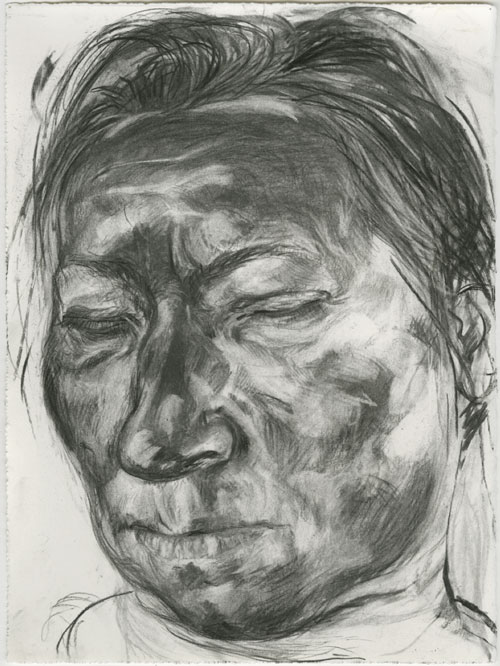
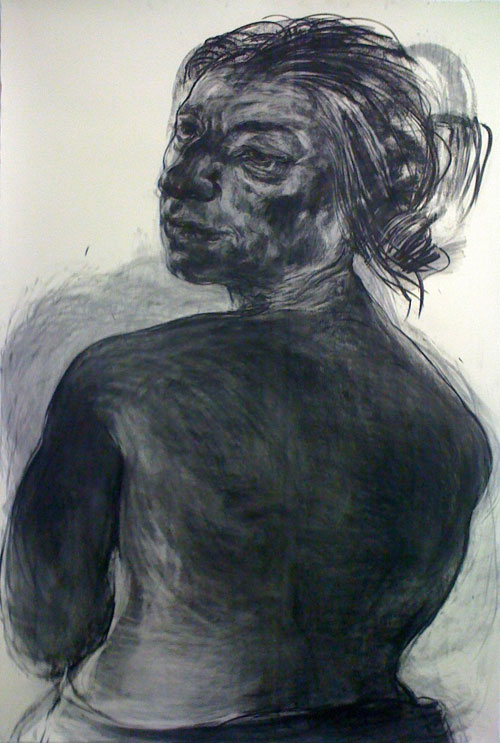
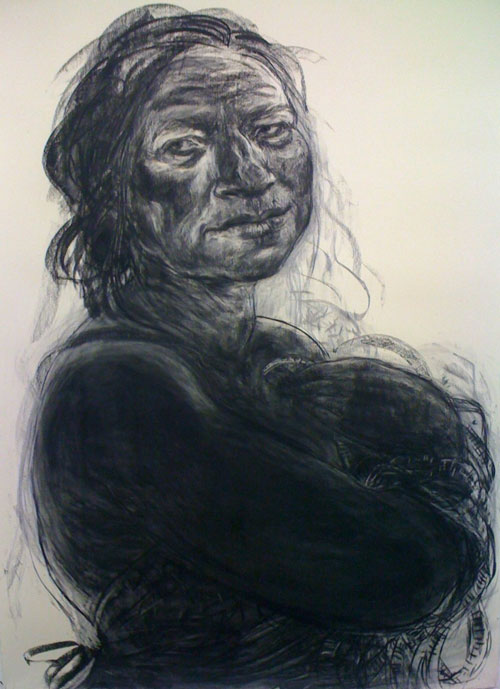
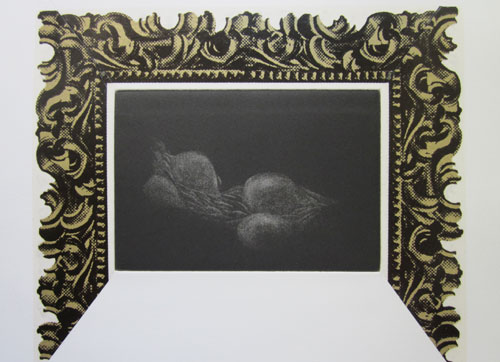
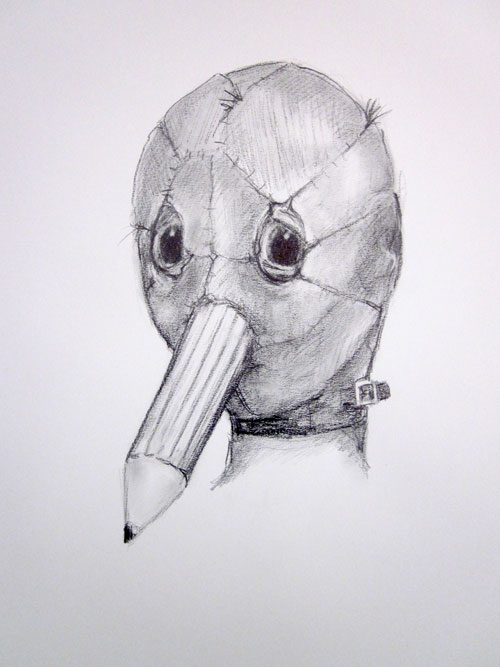
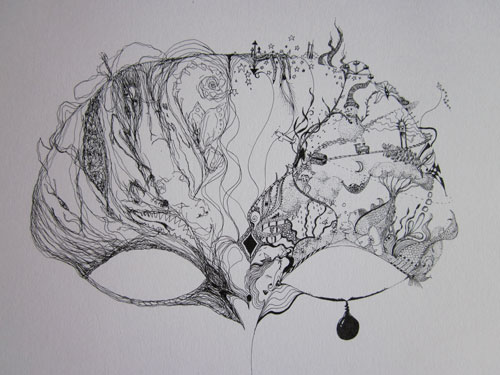
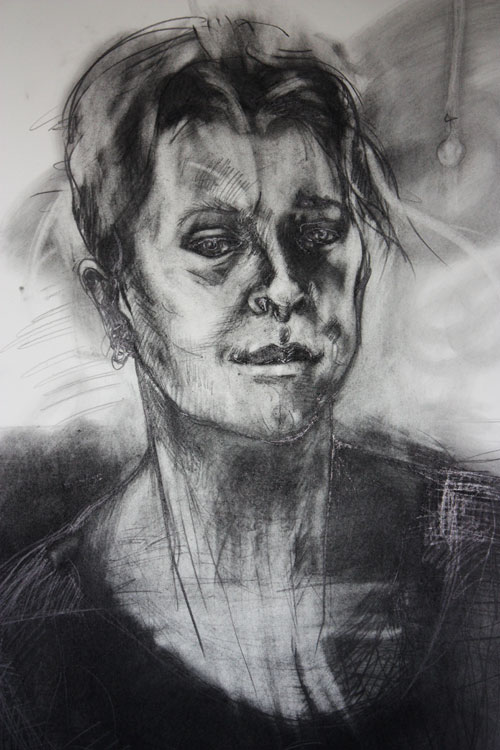
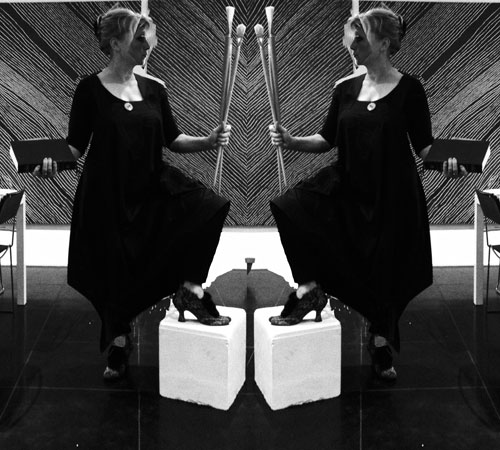
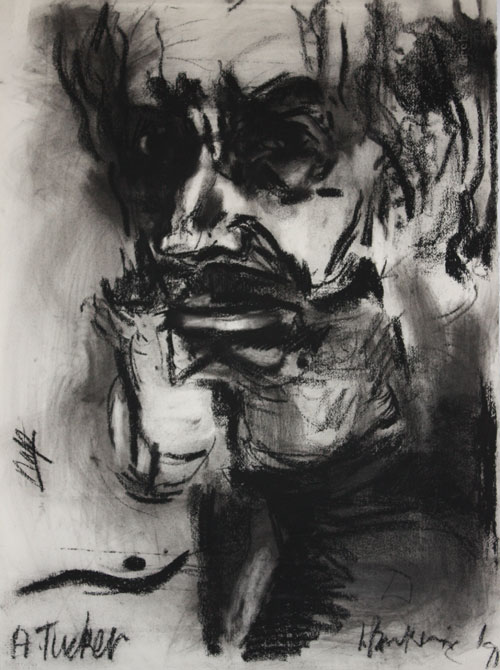
Portraiture In Focus: Irene Barberis, Anita Taylor and Helen Sturgess
Langford 120, North Melbourne, Australia23 March–21 April 2013
by Dr JANET McKENZIE
To focus on the portrayal of the human form in the
21st century; specifically the portrait requires a traverse of
multifarious philosophical shifts, and, of stylistic movements from the
past 150 years. Technological advances in the 19th century, particularly
the invention of photography, deemed naturalistic portraiture
practically obsolete, in relation to progressive art.
Following the Second World War and the loss of any faith in humanity
in the late 1940s the human image in art became increasingly difficult
to portray. The existential despair expressed by Jean-Paul Sartre in Nausea
(1938), found a visual counterpart in the images of despair and
alienation of Francis Bacon, the expressionism of Oskar Kokoschka, later
the remarkable post-Vietnam human images of American born RB Kitaj, the
apocalyptic visions of Arthur Boyd and the anguished figures of the
Scottish artist John Bellany. Yet ironically providing a medium of
escape, abstraction in the visual arts dominated because, after the
horrors of Auschwitz, Hiroshima and Nagasaki, artists mostly found
images of humanity impossible to create.It is timely that as Portraiture in Focus, at Langford 120 in Melbourne, was planned as the first major exhibition of the work of Francis Bacon was being shown at the Art Gallery of New South Wales,1 curated by Anthony Bond. Earlier Bond also instigated Self-Portrait: Renaissance to Contemporary (2006), in collaboration with the National Portrait Gallery, London. This brought painted self-portraits by some of the world's greatest artists from the mid-16th century to the beginning of the 21st century. Included were seven from the Uffizi Gallery, Florence, the greatest collection of 1,600 self-portraits in the world, started by Leopoldo de Medici in 1664.
Curator Tony Bond, is one of a significant number of British artists and curators to have migrated to Australia mostly since the 1970s, who have brought with them an appreciation and awareness of the work of the London School of Artists (Francis Bacon, Lucian Freud, Frank Auerbach, Leon Kossoff, and London-based RB Kitaj), even though British artists in Australia from the 1970s have themselves developed a wide range of art practices. Their own training in drawing from life has contributed high standards to art education and practice in Australia, sustaining the Archibald Prize and more recently the Dobell Prize for Drawing. They include: as curator, the late Nick Waterlow; sculptors Hilarie Mais and Anne Graham, John Wolseley, John Beard, Andrew Antoniou, Peter Booth, Michael Esson, David Fairbairn, Graham Fransella, Nicholas Harding, and Anita Taylor. Bond described Francis Bacon: Five Decades, for Studio International, in the manner, not of a typical scholar (he trained at the Ruskin School of Drawing, University of Oxford), but as a fellow artist, positing the view that the unusual materiality of Bacon’s paintings can be seen as the most exciting aspect in any reconsideration of his work.
In spite of the raw emotion expressed in Francis Bacon’s images, there is an unexpected affirmation in the choice of formal language and the precision and care applied to the act of painting: the placement of each head, each brush stroke, every subtle hue, the manner in which the figure inhabits the space, and the form within the picture plane are all evident. A quiet authority is established by the artist amid the pain, due in large part to the dialogue he has with art from the past.
.... Read Rest of Article
